
,,Scharlach Rot”
(Scarlet Red)
Exhibition: March 8 – April 12, 2011
Kulturhaus Pusdorf, Bremen
Because of its socialist origin, the International Women’s Day was banned when the Nazi regime came to power. Instead, Mother’s Day—which had already existed in the United States—was promoted. While the International Women’s Day had, since its inception, been dedicated to the genuine struggle for women’s equality, Mother’s Day was used to push women back into their traditional roles.
Although mothers could attain high social prestige under Nazi Regime—provided they had borne many children, were of “Aryan” descent, and were not classified as “asocial”—Nazi propaganda was only partially successful. Many women, having gained the right to vote in 1918 and having experienced the opportunities of the Weimar Republic, envisioned a different future for themselves. As a result, the International Women’s Day continued to be commemorated in various ways despite the ban.
Again and again, despite the considerable risk of repression, leaflets appeared, and some women invited others to what they called a “family celebration.” Another ingenious and difficult-to-control way of drawing attention to this day was the „airing“ of red laundry.
The exhibition and its accompanying concept aim to revive this scarlet-red “infestation” of neighborhoods. Red items of laundry are collected from the local community, honored by being painted in oil, and then exhibited. At the same time, residents are encouraged and invited to follow the example of women under Nazi regime by “airing” red pieces of laundry themselves.
At the exhibition opening, Mona Vojacek-Koper reads from the diaries of Rosa Luxemburg.
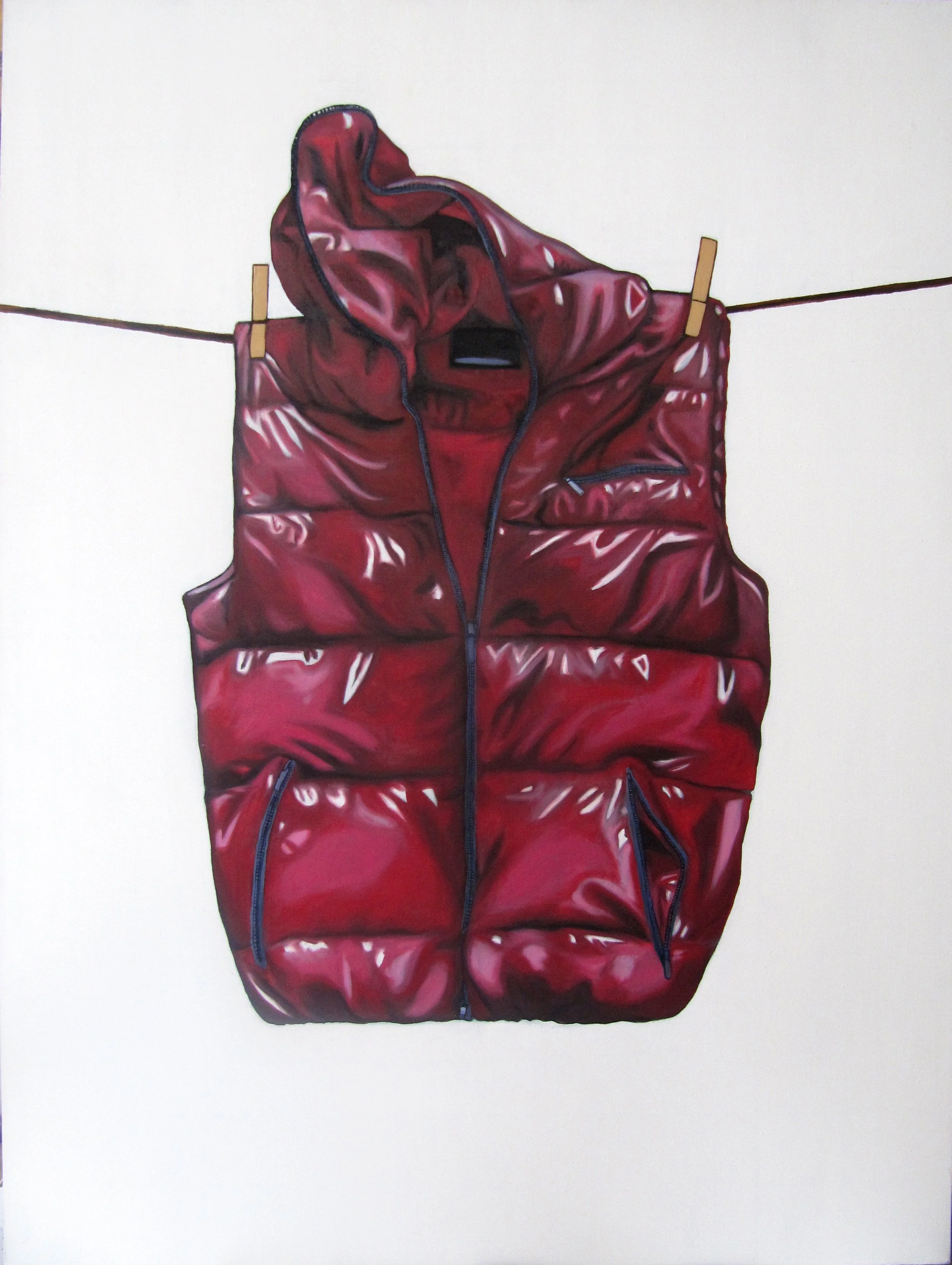
"Mona's Weste" Öl auf Leinwand (Foto: Dina Koper)
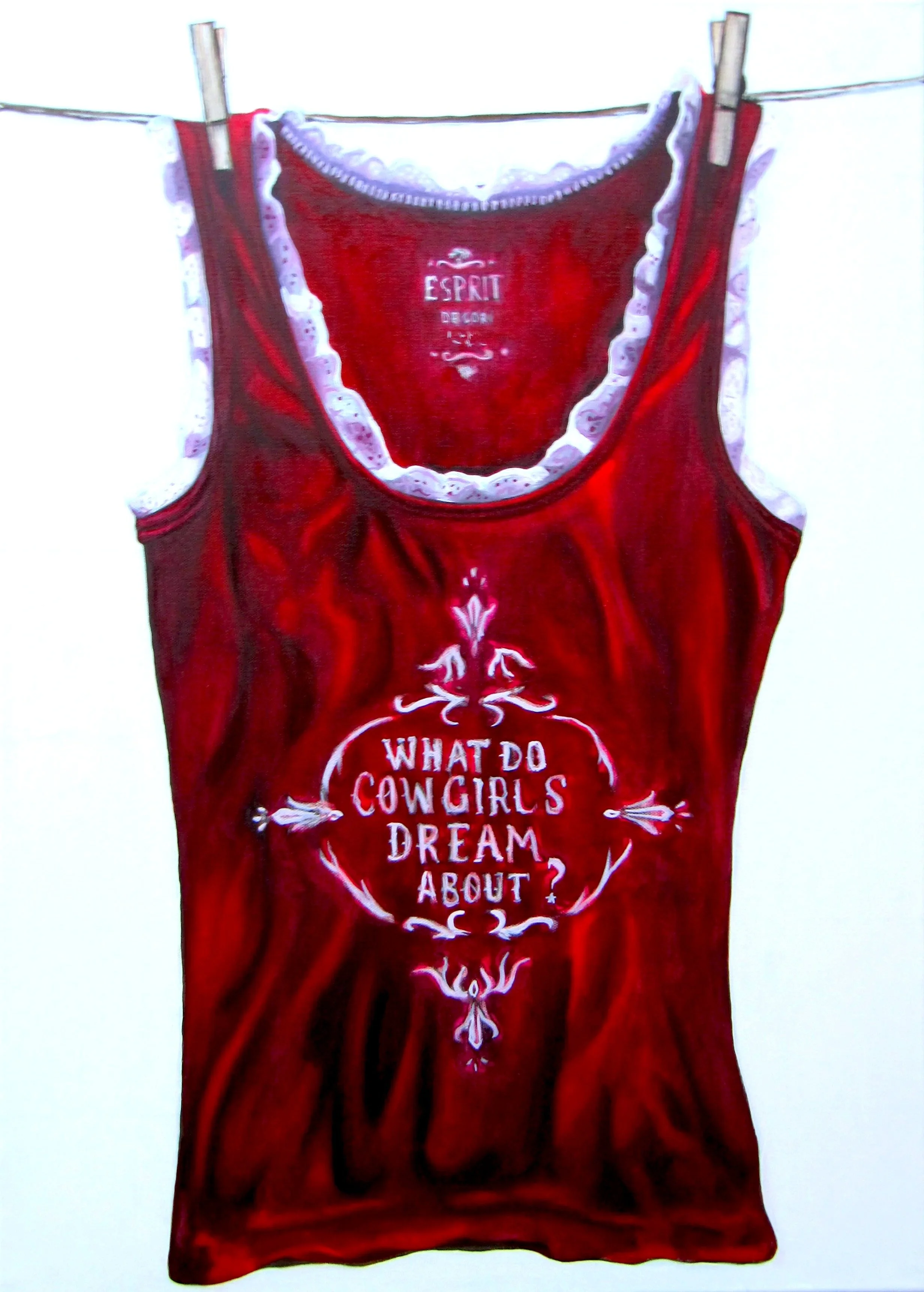
Ein rotes Kleid mit weißen und pinkfarbenen Verzierungen, das an einer Wäscheleine hängt, mit einem Aufdruck, der fragt: 'Was träumst du, Cowgirls?'
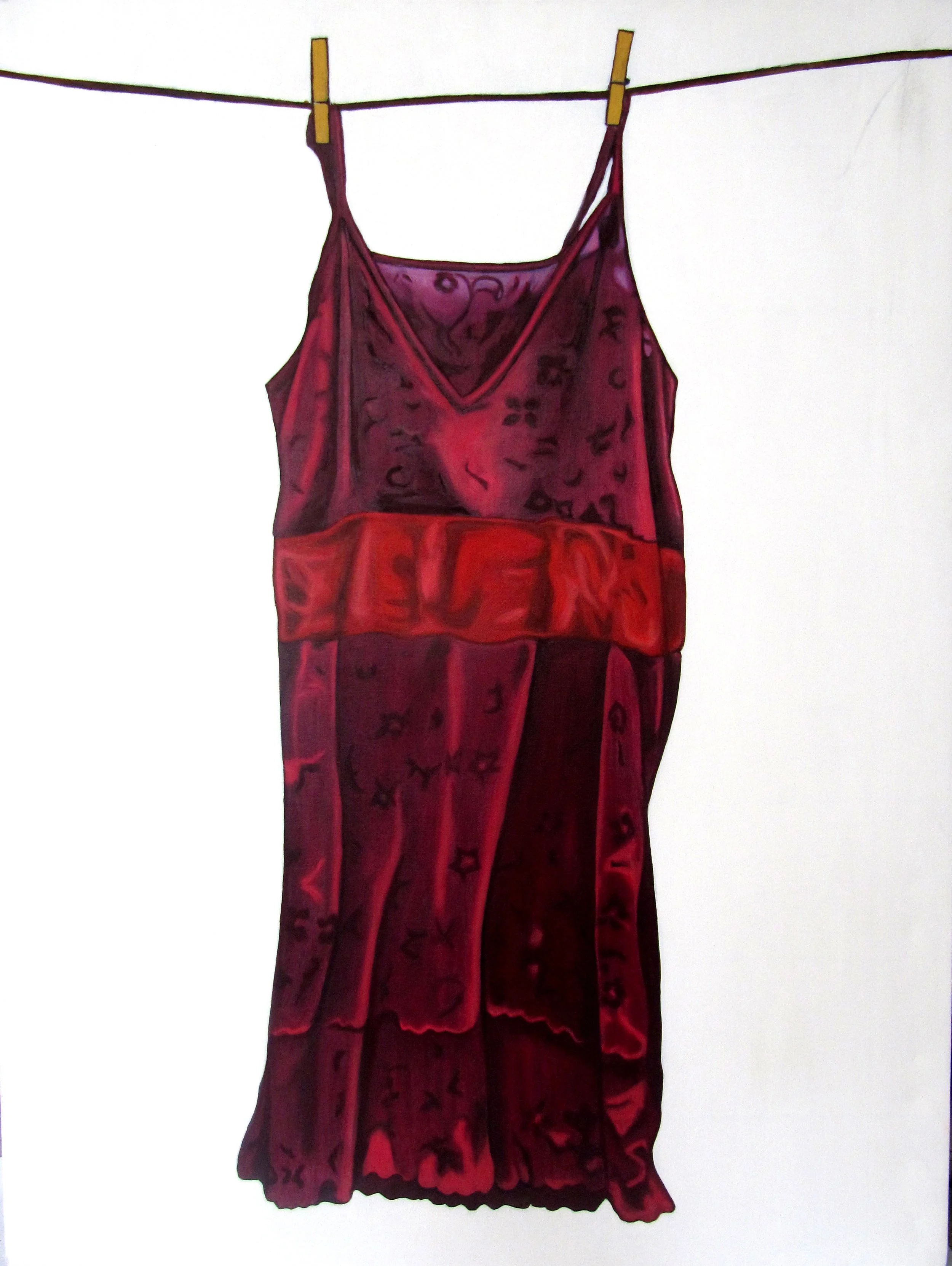
Rotes Kleid mit schwarzem Muster hängt an einer Wäscheleine.
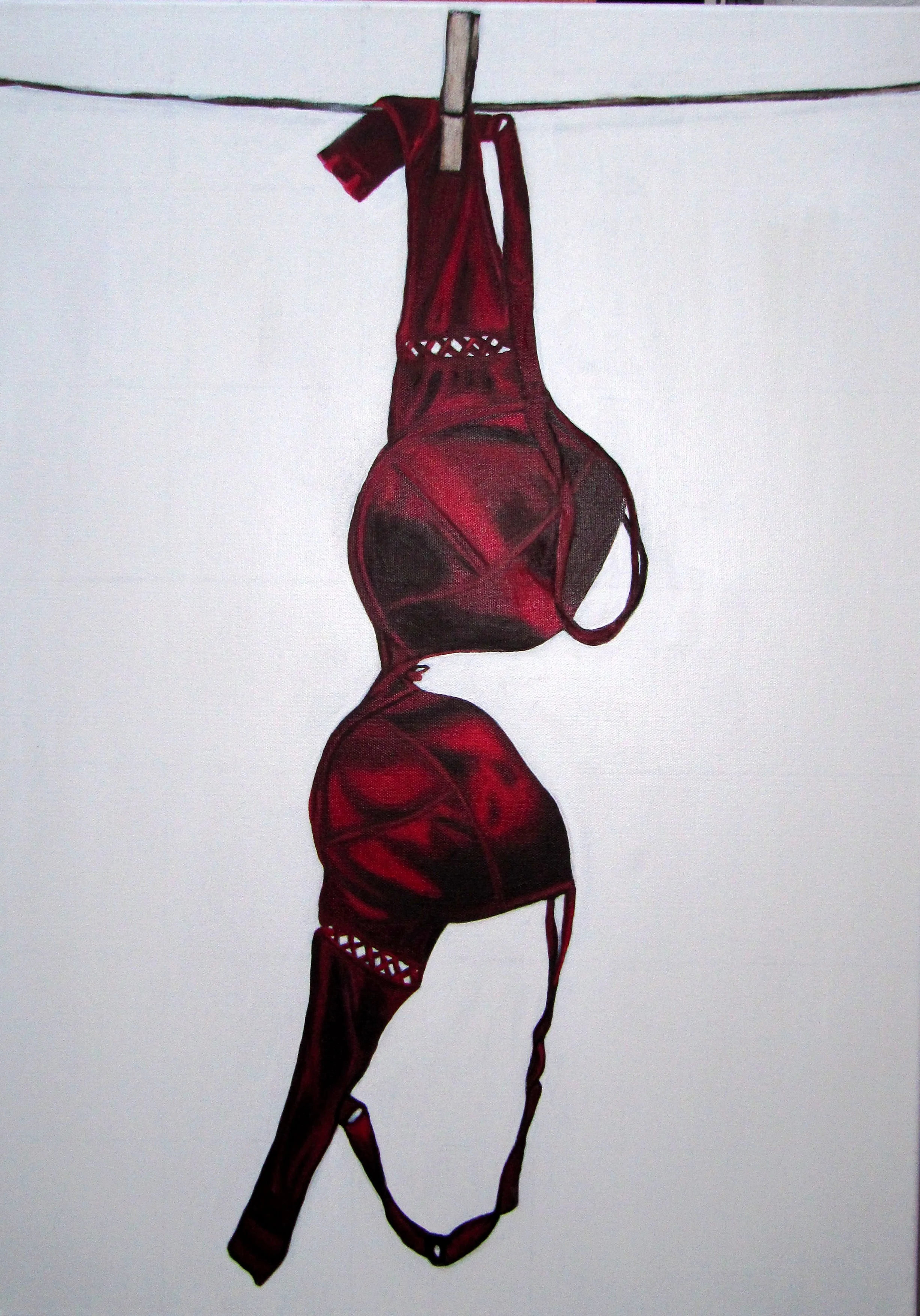
Ein rotes BH hängt an einer Wäscheleine.
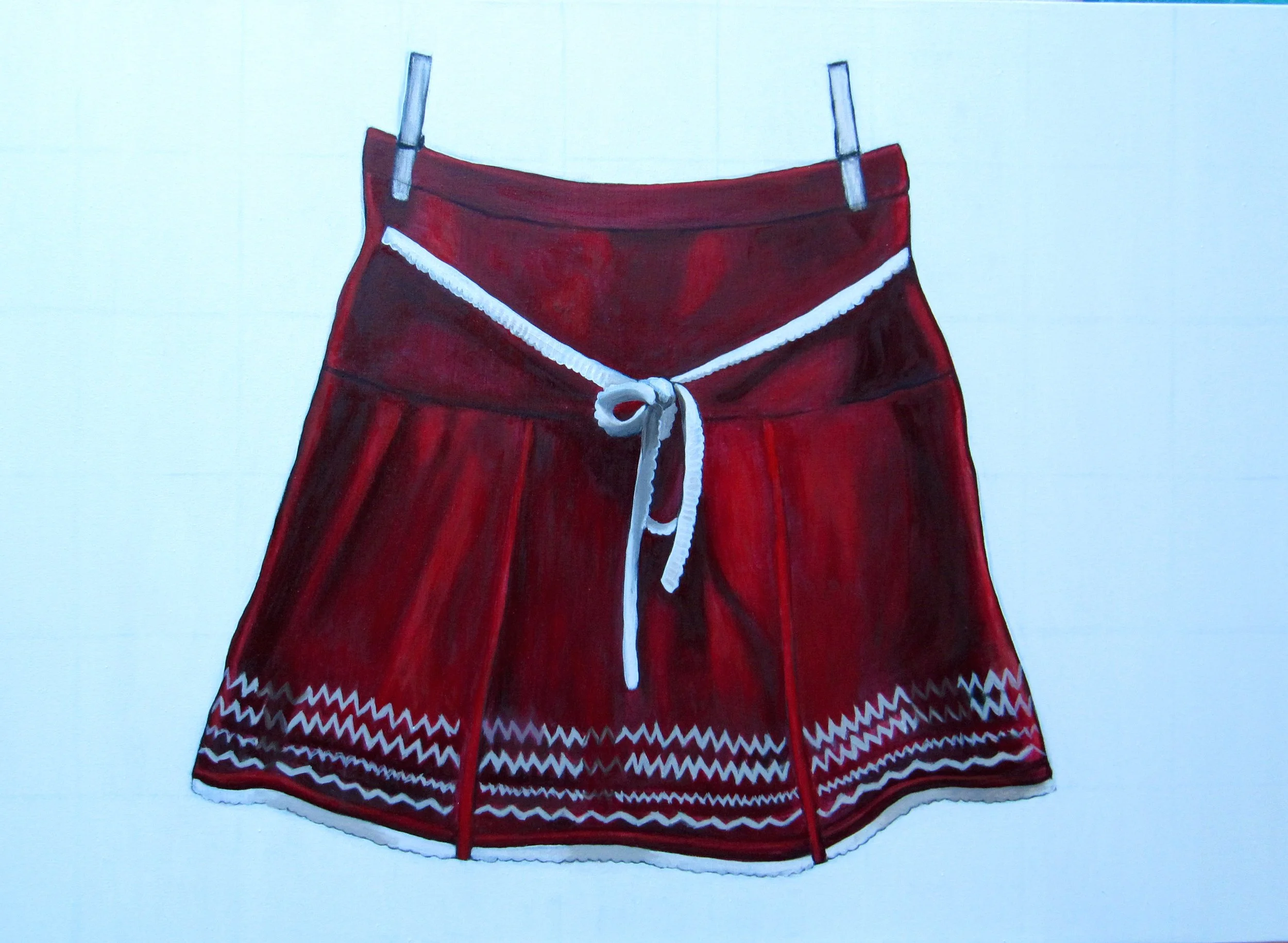
Rote Wollhose mit weißen und schwarz gemusterten Streifen, lagert auf einem weißen Hintergrund.
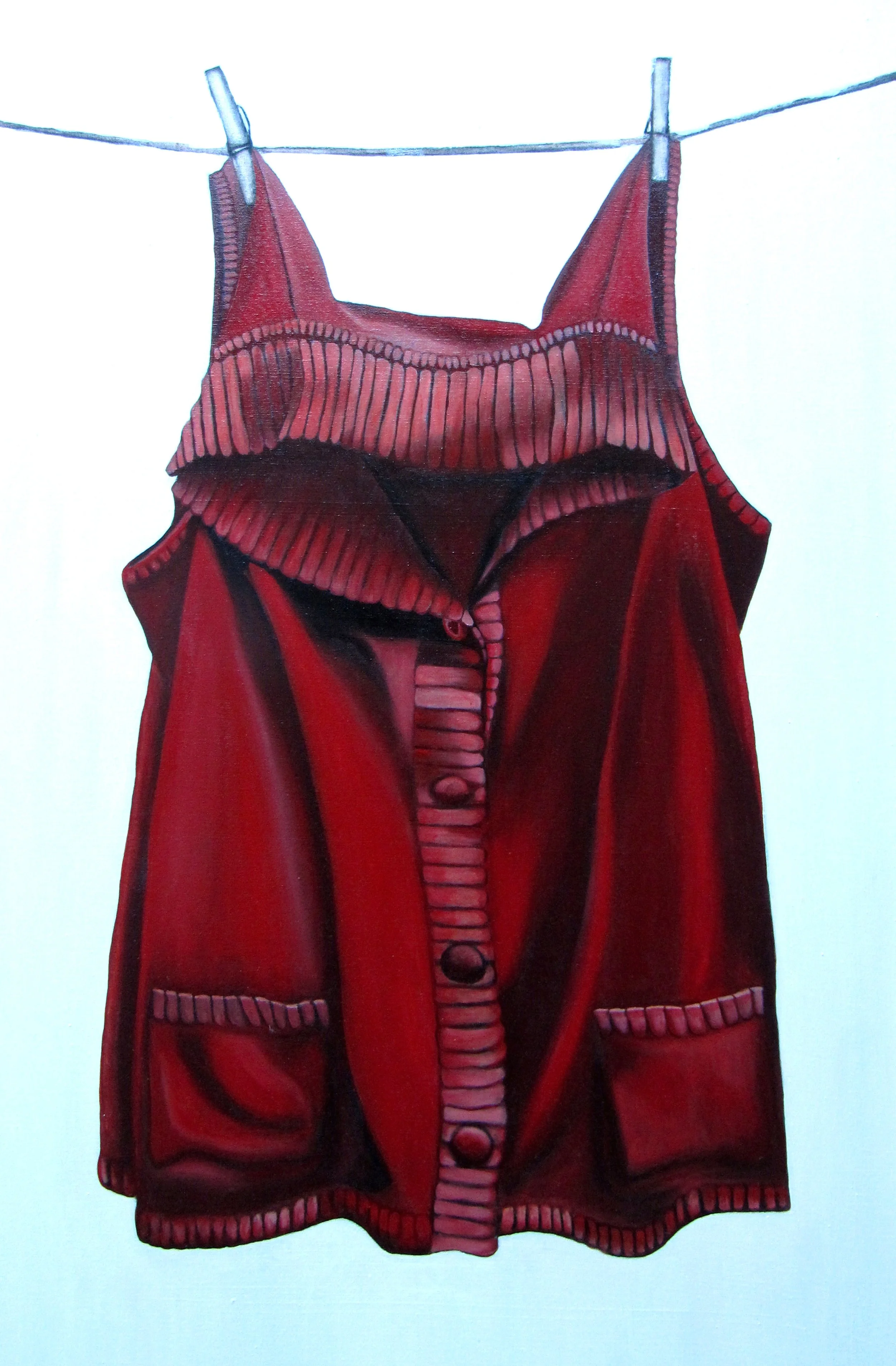
Rotes Hemd mit schwarzen und pinken Details, das an einer Wäscheleine hängt.
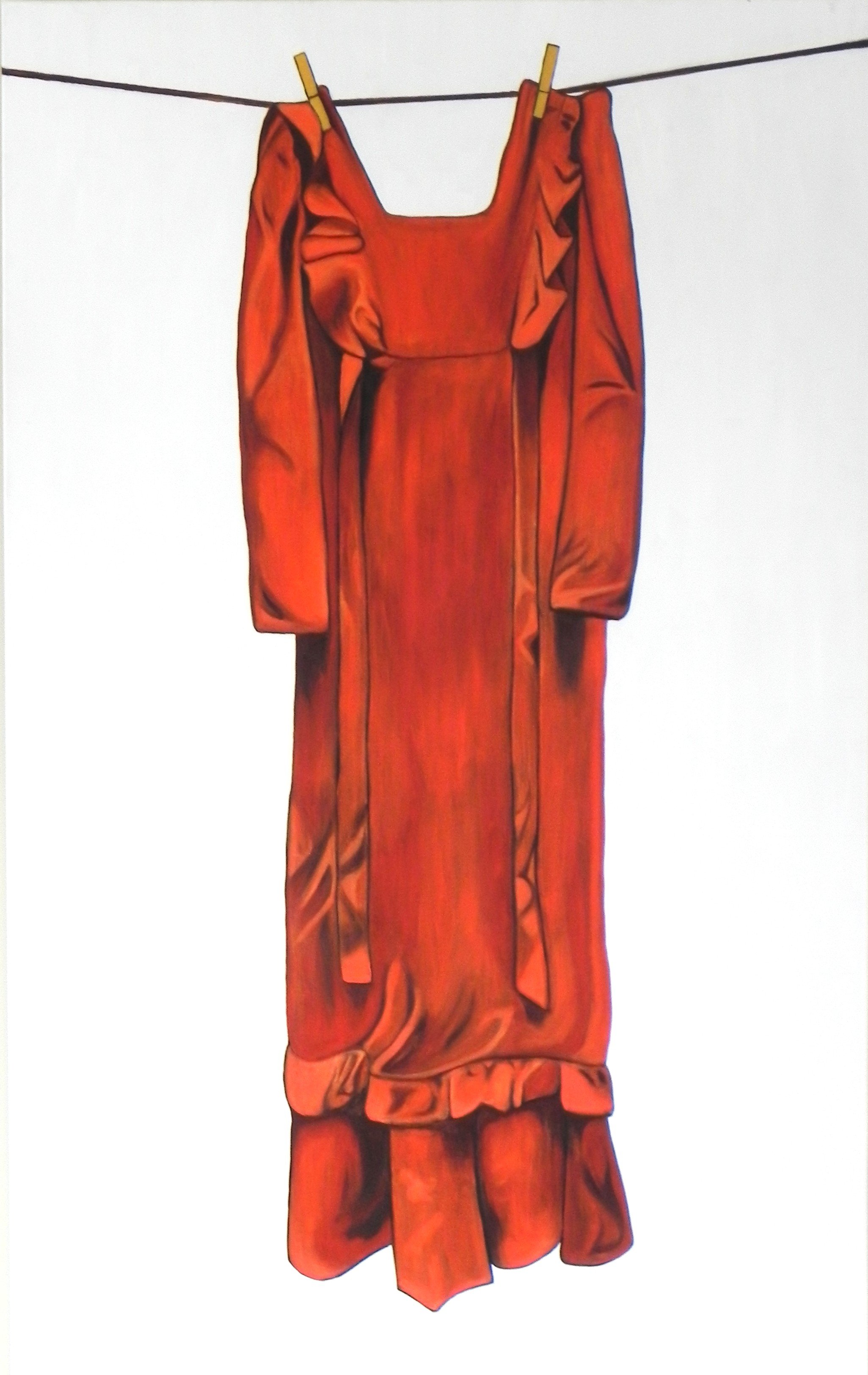
Ein rotes Kleid hängt an einer Wäscheleine mit zwei Wäscheklammern gegen einen weißen Hintergrund.
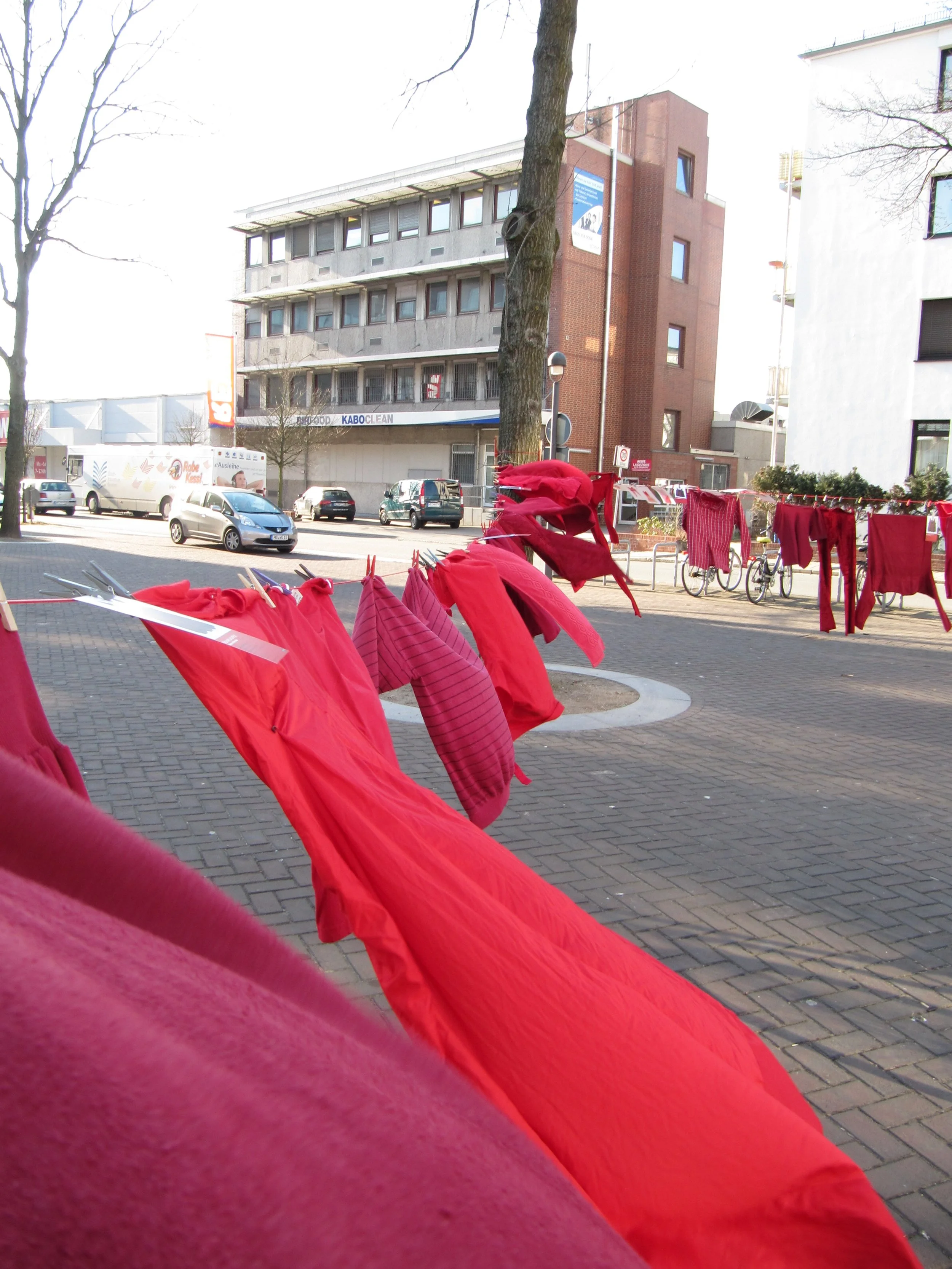
Wäsche hängt zum Trocknen an einer Leine im Freien, im Vordergrund sind rote Kleidungsstücke sichtbar, im Hintergrund befindet sich eine Stadtansicht mit mehrstöckigen Gebäuden und parkenden Autos.
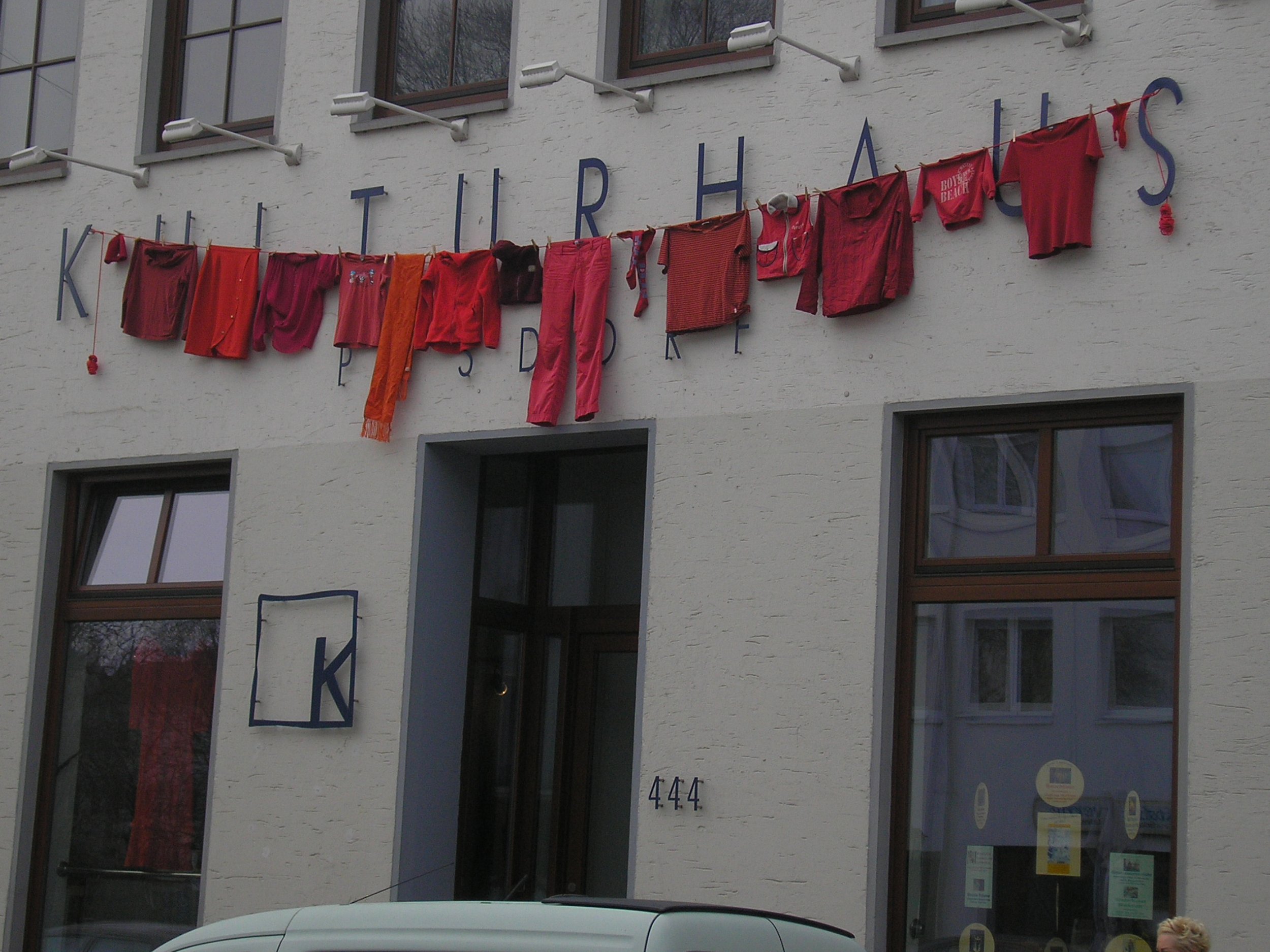
Mehrere rote Kleidungsstücke, darunter Hemden, Jacken und T-Shirts, hängen an einer Wäscheleine vor einem weißen Gebäudefassad mit großen Fenstern. Über der Wäscheleine sind große Buchstaben angebracht, die den Wortteil 'KURHAUS' bilden.
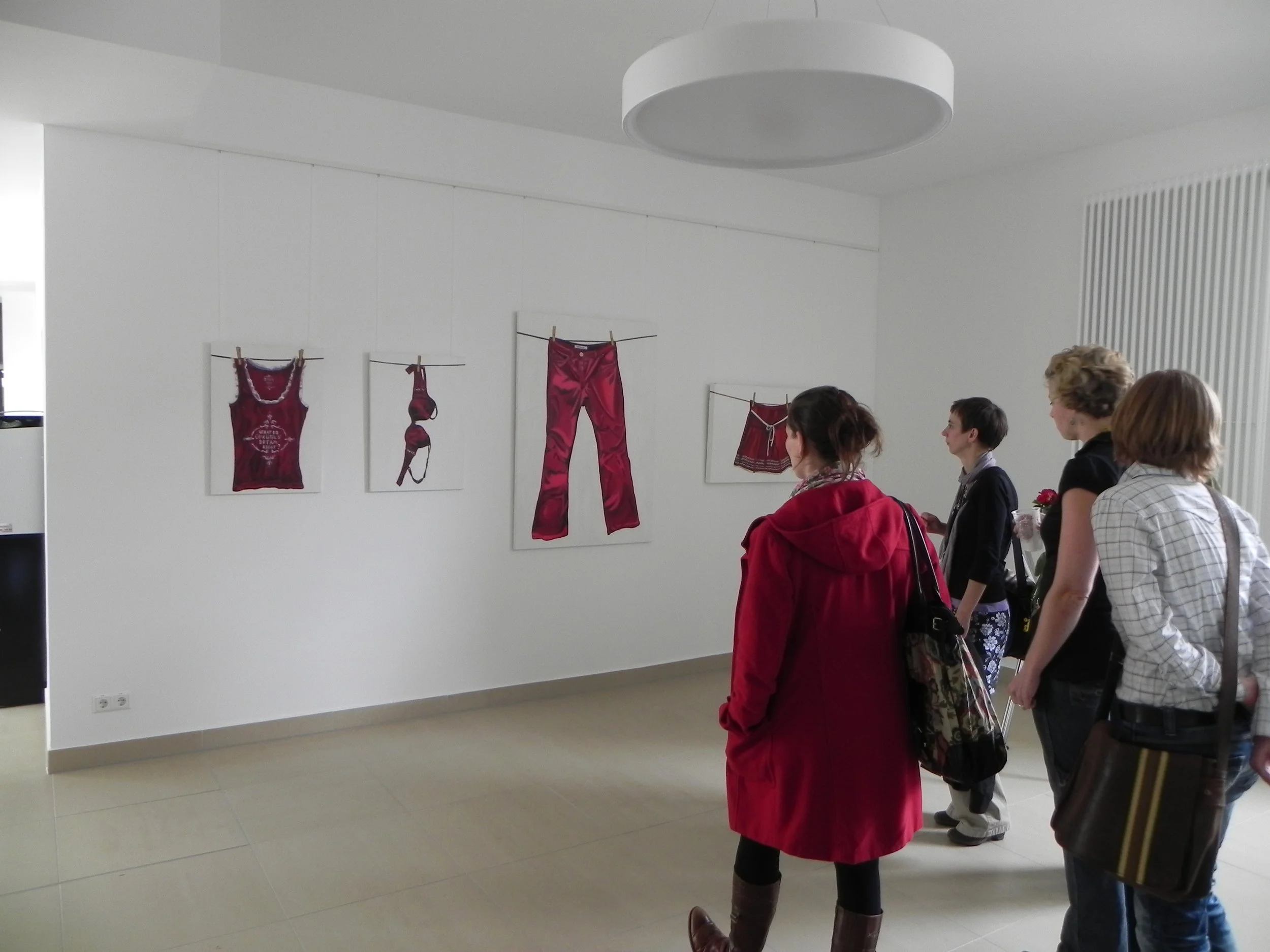
Menschen beobachten eine Kunstausstellung mit Fotos von Bademode an der Wand.